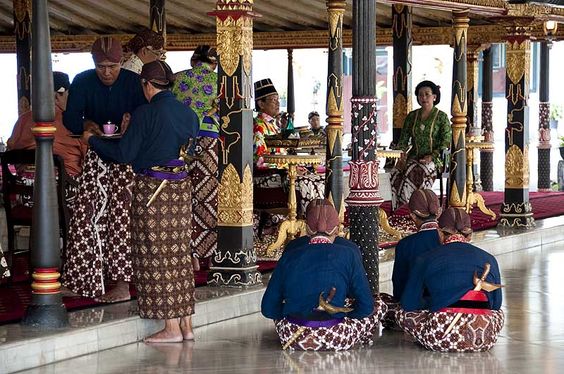
Yogyakarta, kota yang kaya hendak sejarah serta kebudayaan, ialah salah satu destinasi wisata terbaik di Indonesia. Diketahui dengan julukan” Kota Pelajar” serta” Jantung Budaya Jawa”, Yogyakarta menawarkan pengalaman wisata yang tidak terlupakan untuk para turis yang mau menjelajahi keelokan budaya serta peninggalan sejarah yang kaya.
Selaku salah satu pusat kebudayaan di Indonesia, Yogyakarta menyajikan bermacam berbagai atraksi budaya yang luar biasa, mulai dari aset sejarah kerajaan Mataram sampai seni tradisional yang khas. Ayo kita telusuri lebih dalam tentang keajaiban wisata budaya di Yogyakarta.
Keraton Yogyakarta
Salah satu ikon yang sangat populer di Yogyakarta merupakan Keraton Yogyakarta, istana kerajaan yang jadi tempat tinggal untuk Sultan Yogyakarta serta keluarganya. Dibentuk pada abad ke- 18, Keraton ini memancarkan keelokan arsitektur Jawa klasik dengan ornamen- ornamen yang indah serta perinci. Wisatawan bisa mendatangi museum di dalam lingkungan Keraton buat memandang koleksi seni serta artefak memiliki yang terpaut dengan Kerajaan Mataram.
Malioboro
Malioboro merupakan jalur utama yang jadi pusat aktivitas perdagangan serta kebudayaan di Yogyakarta. Di selama Malioboro, wisatawan hendak menciptakan bermacam toko souvenir, orang dagang kaki 5, serta pusat kuliner yang menyajikan santapan khas Yogyakarta. Tidak hanya itu, Malioboro pula ialah tempat yang sempurna buat menikmati pertunjukan seni serta budaya tradisional, semacam tari Jawa serta wayang kulit.
Candi Prambanan
Terletak tidak jauh dari pusat kota Yogyakarta, Candi Prambanan merupakan lingkungan candi Hindu terbanyak di Indonesia serta ialah salah satu web peninggalan dunia UNESCO. Dibentuk pada abad ke- 9 oleh kerajaan Mataram Kuno, Candi Prambanan memesona wisatawan dengan arsitektur yang megah serta relief- relief yang indah. Wisatawan bisa menjelajahi lingkungan candi yang terdiri dari candi utama serta candi- candi kecil, dan menikmati pertunjukan tari Ramayana yang spektakuler di zona candi.
Halaman Sari
Halaman Sari, pula diketahui selaku” Water Castle”, merupakan lingkungan istana yang tadinya digunakan selaku tempat tamasya serta aktivitas kesenian untuk keluarga kerajaan Yogyakarta. Di Halaman Sari, wisatawan bisa menjelajahi bangunan- bangunan memiliki, kolam- kolam air, serta terowongan dasar tanah yang menaruh cerita- cerita mistis. Halaman Sari pula ialah tempat yang indah buat menikmati panorama alam matahari terbenam di Yogyakarta.
Seni Wayang Kulit
Salah satu seni tradisional yang sangat populer di Yogyakarta merupakan wayang kulit, suatu pertunjukan teater boneka yang berasal dari Jawa. Di Yogyakarta, wisatawan bisa menciptakan bermacam dalang( pemimpin pertunjukan) yang tampak di bermacam tempat, mulai dari panggung- panggung tradisional sampai kafe- kafe modern. Pertunjukan wayang kulit tidak cuma menghibur, namun pula memperkenalkan wisatawan pada cerita- cerita epik serta nilai- nilai budaya Jawa.
Yogyakarta memanglah mempunyai energi tarik yang tidak tertandingi untuk para pecinta budaya serta sejarah. Dari istana kerajaan yang megah sampai pertunjukan seni tradisional yang menawan, Yogyakarta menawarkan pengalaman wisata budaya yang mendalam serta berkesan untuk siapa juga yang berkunjung. Jadi, jangan ragu buat menjelajahi keajaiban wisata budaya di Yogyakarta serta nikmati keelokan serta kekayaan budaya Indonesia yang menawan.…